Restoring Plastic Drain Boards - Hard Water Spots and Warping Repair
📑 Table of Contents
The Hard Water Spots Problem
Section titled “The Hard Water Spots Problem”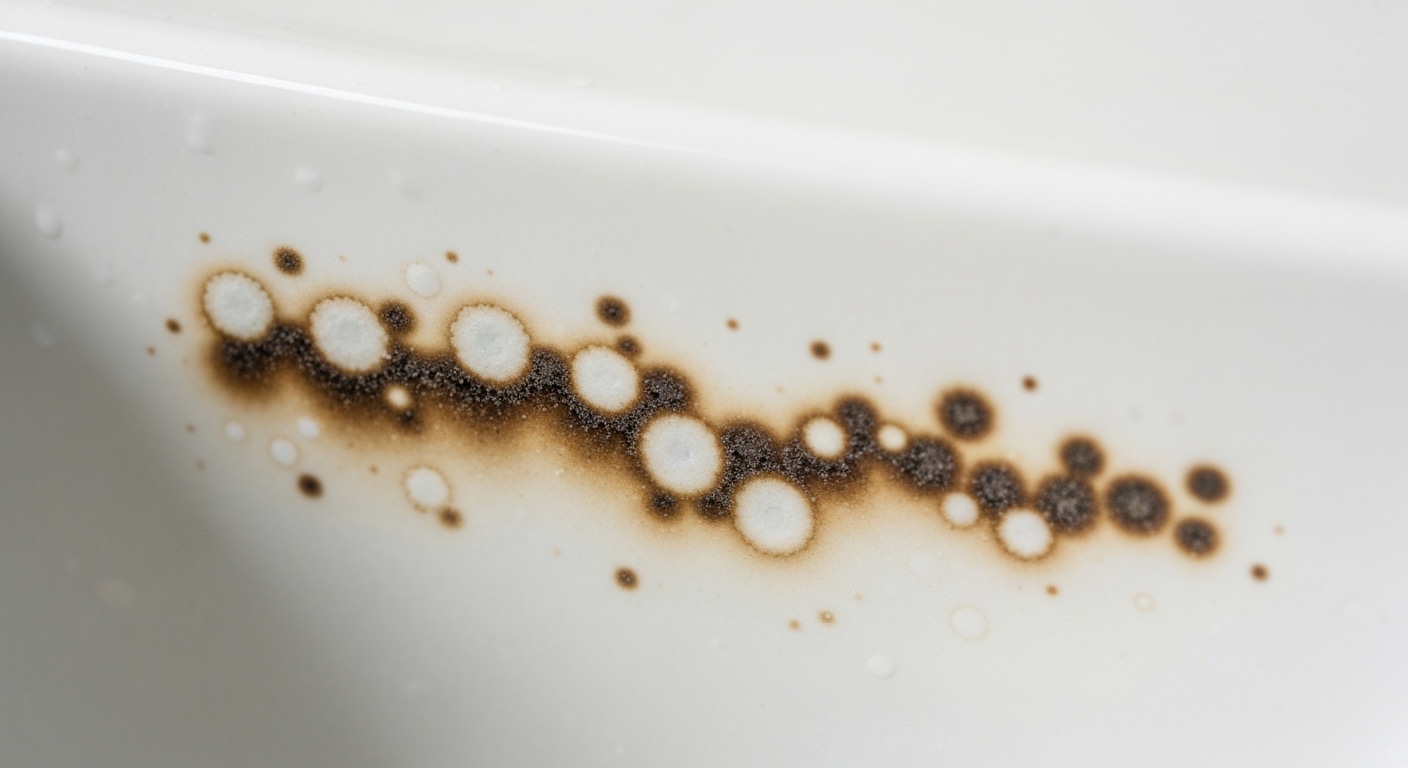
Plastic drain boards work hard every day, catching rinse water and giving dishes a place to dry. Over time, white chalky spots creep in and turn a once smooth surface dull and rough.
These marks form when tap water evaporates and leaves minerals behind, a common issue people notice when restoring warped and water-stained plastic serving trays. In hard water homes this can happen in days, while softer water slows the process but does not stop it.
This guide focuses on restoration and repair, meaning removing mineral scale and correcting warping. For routine hygiene cleaning of racks and boards, including cleaning plastic dish drying racks and removing hard water deposits, see our related cleaning guides elsewhere on the site.
Is It Really Hard Water Scale?
Section titled “Is It Really Hard Water Scale?”Before treating the surface, it helps to confirm what you are seeing. Mineral scale, soap scum, and detergent residue look similar but respond to different cleaners.
Use this quick diagnostic checklist to avoid mis-treating the problem:
- Hard water scale feels rough or gritty, looks white or gray, and does not dissolve with plain dish soap but softens with vinegar.
- Soap scum feels waxy or greasy, looks cloudy or off-white, and improves with hot water and dish soap but not with vinegar alone.
If vinegar makes the spots fade or fizz slightly, you are dealing with mineral scale. If nothing changes, start with a degreasing wash before moving to acid treatment.
Understanding Hard Water Deposits
Section titled “Understanding Hard Water Deposits”Hard water contains dissolved calcium and magnesium, usually as bicarbonates. When water dries, these minerals convert to carbonates and cling tightly to plastic surfaces.
Carbonate minerals are alkaline, which is why acids work so well against them. The acid neutralizes the scale and breaks its bond with the surface.
As layers build up, the texture becomes rough and porous. Older deposits can trap food residue, bacteria, and even mold inside the mineral matrix.
The thicker the scale, the longer it takes for acid to penetrate and dissolve it fully, much like how deeper damage requires more time and effort when restoring scratched plastic cutting boards.
Best Way to Remove Hard Water Spots from Plastic Drain Boards
Section titled “Best Way to Remove Hard Water Spots from Plastic Drain Boards”The most reliable home method balances effectiveness, plastic safety, and cost. The table below compares the main options used on plastic drain boards.
| Method | Effectiveness on Scale | Speed | Odor | Plastic Safety |
|---|---|---|---|---|
| White vinegar | High for light to medium scale | Moderate | Strong but short-lived | Very safe for PP and PE plastics |
| Citric acid solution | High for medium to heavy scale | Faster than vinegar | Mild citrus | Very safe for most kitchen plastics |
| Commercial plastic-safe descaler | Very high | Fast | Varies by brand | Safe if labeled for plastic |
For most households, vinegar or citric acid is enough. Commercial products make sense when scale is thick or time is limited.
The Vinegar Dawn Soak
Section titled “The Vinegar Dawn Soak”White vinegar paired with dish soap remains a favorite because it dissolves minerals and lifts greasy residue in one step. It is inexpensive and food-surface safe when rinsed well.
Mix one cup white vinegar with one tablespoon Dawn dish soap and enough warm water to fully cover the board. The acetic acid reacts with the mineral scale while the surfactants loosen trapped grime.
If the board does not fit in a sink, soak paper towels in the solution and lay them flat over the surface so the acid stays in contact.
Soak time guidance
| Scale Level | Recommended Soak | Notes |
|---|---|---|
| Light haze | 20 to 30 minutes | Wipes off easily with a brush |
| Medium buildup | 60 minutes | May need light scrubbing |
| Heavy textured scale | 4 to 8 hours | Vinegar slows after this point |
When vinegar stops being effective, meaning the surface still feels gritty after a long soak, switch to citric acid or a commercial descaler.
For quick reference, here is the basic vinegar method:
- Soak the drain board in a vinegar and dish soap solution until the scale softens.
- Scrub gently with a soft brush, focusing on ridges and corners.
- Rinse thoroughly and dry to prevent new deposits.
Vinegar vs Citric Acid vs Commercial Descalers
Section titled “Vinegar vs Citric Acid vs Commercial Descalers”Citric acid is a stronger organic acid than vinegar and works faster on thick scale. It also has a lighter smell, which many people prefer in the kitchen.
A typical mix is one to two tablespoons of citric acid powder per quart of hot water. This solution is safe for common plastics like polypropylene and polyethylene.
Commercial descalers labeled as plastic-safe use similar chemistry but at controlled concentrations. They are useful for severe buildup but cost more and require careful label reading.
Safe Product Examples
Section titled “Safe Product Examples”These non-affiliate examples work well on textured plastic without scratching or degrading the surface.
Dish soaps such as Dawn Free and Clear or Seventh Generation Free and Clear rinse clean and do not leave added fragrance residue. Food-grade citric acid powders sold for canning are ideal for descaling.
For tools, soft nylon dish brushes, bottle brushes, and old toothbrushes reach into drainage channels without damaging the plastic.
Why Bleach Ruins the Sheen
Section titled “Why Bleach Ruins the Sheen”Bleach does not dissolve mineral scale because it is not acidic. Using it on hard water spots simply leaves the minerals behind.
Chlorine bleach can also attack plastic surfaces, leading to yellowing, cloudiness, or a permanently dull finish. This is especially noticeable on white drain boards.
If bleach was used already, rinse well and follow with an acid treatment. The acid neutralizes residual bleach and addresses the actual mineral problem.
Fixing Warped Plastic Boards
Section titled “Fixing Warped Plastic Boards”Warping usually comes from heat, either from hot pans, dishwashers, or sun exposure. Gentle reheating can sometimes reverse mild deformation.
Hot tap water in the range of 70 to 80°C is usually enough to soften polypropylene boards. Polystyrene boards respond less reliably and can crack if overheated.
Submerge the board evenly for several minutes, then place it on a flat surface and apply uniform weight. Keep it pressed flat until fully cool, about 30 to 60 minutes.
Severe warping, sharp creases, or stress whitening often indicate permanent damage. In those cases, replacement is the safer option.
Drainage Channel Maintenance
Section titled “Drainage Channel Maintenance”The ridges and channels that guide water toward the sink are prime spots for buildup. When these clog, water pools and leaves new mineral rings.
Narrow brushes and toothbrushes work well between ridges. Pipe cleaners are useful for pour spouts or narrow drains molded into the board.
After cleaning, check that the board slopes slightly toward the sink. Even a small backward tilt encourages standing water and faster scaling.
Regular Maintenance Schedule
Section titled “Regular Maintenance Schedule”A simple routine keeps restoration from becoming a frequent chore. The cadence can vary depending on water hardness.
| Household Type | Daily | Weekly | Monthly |
|---|---|---|---|
| Hard water | Wipe dry after use | Wash with dish soap | Light vinegar or citric acid soak |
| Soft water | Air dry or wipe | Wash with dish soap | Inspect and spot treat |
Storing the board upright when not in use helps it dry fully and reduces moisture-related issues.
FAQ: Plastic Drain Board Care
Section titled “FAQ: Plastic Drain Board Care”Is my plastic drain board dishwasher safe? Many are labeled dishwasher safe, but repeated high heat cycles can cause warping. Hand washing extends the life of the board.
How often should I descale? In hard water homes, a monthly light acid soak prevents heavy buildup. In soft water areas, treat only when spots appear.
When should I replace instead of restore? Replace boards with deep cracks, severe warping, or persistent odors that remain after thorough cleaning.
Summary Table
Section titled “Summary Table”| Issue | Solution | Prevention |
|---|---|---|
| Hard water spots | Vinegar or citric acid soak | Wipe before drying |
| Heavy mineral buildup | Extended acid treatment | Monthly maintenance |
| Warped surface | Hot water reshape | Avoid heat sources |
| Channel blockage | Brush cleaning | Regular inspection |
| Organic residue | Dish soap wash | Frequent wiping |
References
Section titled “References”- Water Quality Association. Hard Water and Mineral Deposits.
- NSF International. Food Equipment Cleaning Standards.
- American Cleaning Institute. Kitchen Surface Care.
- Society of Plastics Engineers. Plastic Heat Deflection.
- Extension Services. Kitchen Maintenance Guide.