Caulk Removal from Plastic Tubs - Damage-Free Guide
📑 Table of Contents
Removing old caulk from a plastic bathtub requires a different approach than ceramic or porcelain. Most plastic tubs are acrylic PMMA or fiberglass reinforced plastic with a gel coat, and both are soft and chemically sensitive. Standard plumber tools like metal scrapers, utility knives, and aggressive solvents will damage these surfaces fast. One slip can gouge the gel coat, and the wrong solvent can haze or partially melt the polymer.
This guide breaks down the mechanical and chemical risks involved and lays out a shop proven removal protocol. The focus is chemical softening and controlled separation, not abrasion. Understanding how silicone and acrylic caulks behave on plastic lets you remove the failed seal without compromising the tub. The end goal is a clean, chemically neutral surface that allows the new caulk to bond correctly.
Silicone vs. Acrylic Caulk
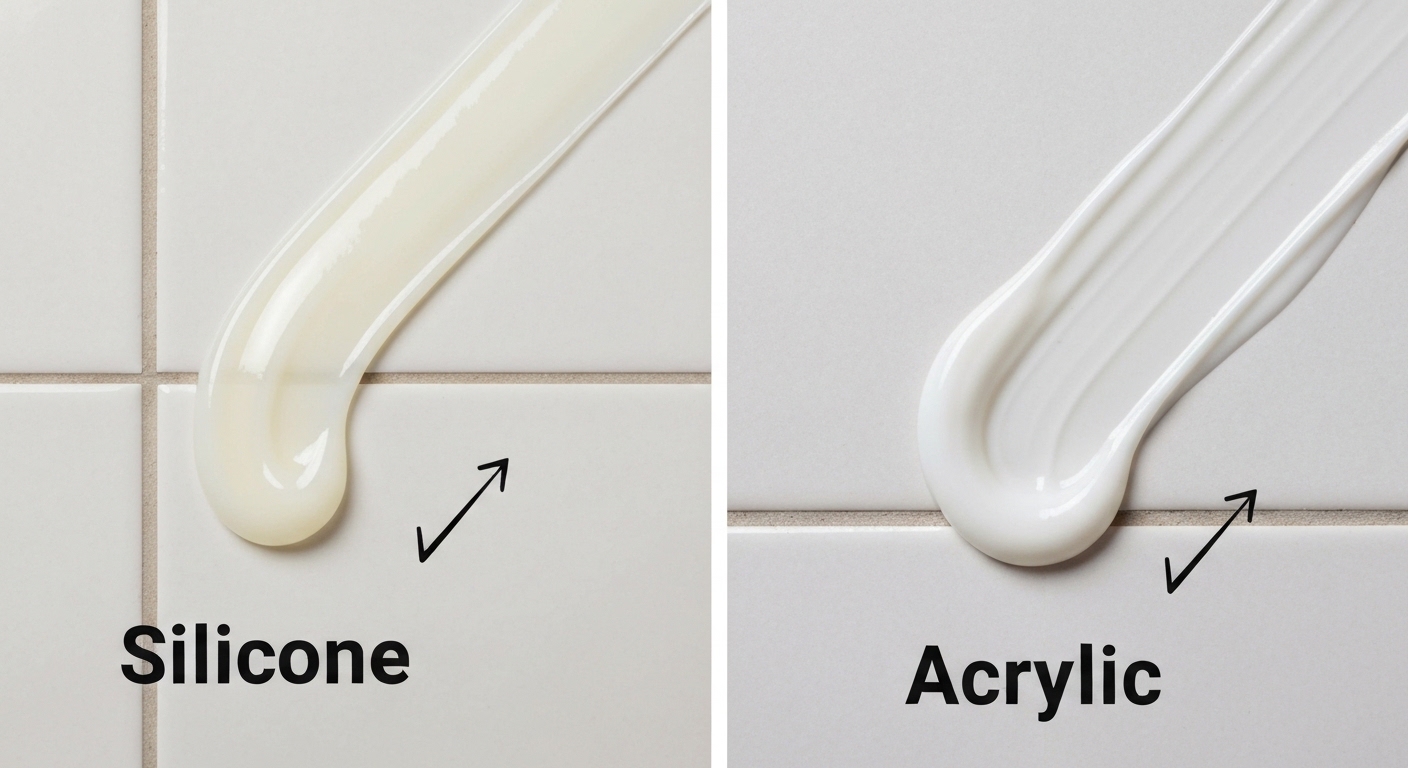
Section titled “Silicone vs. Acrylic Caulk”Correctly identifying the existing caulk determines everything that follows. Silicone and acrylic latex are the most common bathroom sealants, and they respond very differently to removers and tools. Silicone cures into a flexible, glossy rubber that relies on surface adhesion rather than chemical bonding to plastic. It also leaves behind an invisible residue that will block new caulk from sticking.
Acrylic caulk is water based and usually matte once cured. It hardens over time, becomes brittle, and often releases in chunks when softened. Acrylic can leave a chalky or powdery residue that still needs to be cleaned off. Press a fingernail into the bead, silicone rebounds, acrylic dents or cracks.
Why Scraping Ruins the Plastic Gel Coat
Section titled “Why Scraping Ruins the Plastic Gel Coat”The gel coat on a plastic tub is a thin resin layer designed to be smooth and non porous. Metal tools are harder than this coating and will cut into it under pressure. Even light scraping can leave scratches that permanently dull the finish. Deep gouges expose the porous material underneath and invite staining and moisture intrusion.
Once the gel coat is breached, water can migrate below the surface and cause long term issues. These include subsurface discoloration, blistering, and structural weakening. Scratches also increase surface area for mold and bacteria. Even careful use of metal blades creates micro scoring that degrades the tub over time.
Chemical Softening with Caulk Removers
Section titled “Chemical Softening with Caulk Removers”A dedicated caulk remover is the safest way to break the bond without damaging plastic. Products like Goo Gone Caulk Remover work by swelling the sealant and weakening its internal structure. Silicone removers target siloxane bonds, while acrylic removers soften latex binders. This reduces adhesion without mechanical force.
Only use removers labeled safe for plastic or acrylic. Avoid products containing methylene chloride, strong ketones, or heavy aromatics. Apply a generous layer and allow proper dwell time, usually two to four hours. The caulk should turn soft and gelatinous before you attempt removal.
Using a Plastic Razor Blade
Section titled “Using a Plastic Razor Blade”The correct mechanical tool is a plastic razor blade. These blades are stiff enough to cut softened caulk but soft enough to deform before cutting the gel coat. They are standard in automotive detailing and acrylic surface work. This is the only blade I use on tubs in the shop.
Hold the blade at a shallow angle, roughly 15 to 20 degrees. Slide it under the bead using steady pressure. If the caulk resists, stop and reapply remover. Forcing the blade defeats the purpose of chemical softening.
Why Heat Guns Warp Acrylic Tubs
Section titled “Why Heat Guns Warp Acrylic Tubs”Heat is risky on thermoplastics. Acrylic begins to soften around 105 C or 220 F. A heat gun easily exceeds five times that temperature. Even brief exposure can overheat the surrounding tub surface.
Localized heating causes warping, bubbling, or permanent distortion, and burn marks or clouding cannot be polished out. Hair dryers are safer but still risky if held in one spot. Chemical softening is always the correct method on plastic tubs, especially when guided by safe solvent selection for plastic surfaces.
Removing Ghost Residue with Isopropyl Alcohol
Section titled “Removing Ghost Residue with Isopropyl Alcohol”After bulk removal, a thin residue almost always remains. This ghost film is silicone oil or acrylic binder at a molecular level. New caulk will not bond to it. Mechanical scrubbing alone will not remove it.
Use high purity isopropyl alcohol, 91 percent or higher. Alcohol dissolves these residues without attacking acrylic or gel coat. Wipe with a lint free microfiber cloth and rotate the cloth frequently. The surface should feel squeaky clean with no slickness.
Why Mineral Spirits Damage Plastic
Section titled “Why Mineral Spirits Damage Plastic”Mineral spirits and paint thinners are petroleum distillates that interact poorly with many plastics. On tubs, they can soften the surface, cause swelling, or dull the finish. Damage may not show immediately but often appears weeks later.
These solvents can also trigger stress cracking, especially on acrylic. Once that happens, the damage is permanent. Alcohol based solvents flash off cleanly and do not penetrate the polymer structure. Stick with those.
Dealing with Mold Behind the Caulk
Section titled “Dealing with Mold Behind the Caulk”Black or pink staining behind failed caulk indicates mold growth. Water gets trapped behind the bead and creates a perfect environment for fungi. Sealing over it guarantees repeat failure. The mold will bleed through the new caulk.
After removal, inspect the joint carefully. If mold is present, scrub with a 1:10 bleach to water solution or a commercial mildewcide. Let it dwell at least ten minutes, rinse thoroughly, and allow the area to dry completely before resealing.
Why New Caulk Will Not Stick to Old Silicone
Section titled “Why New Caulk Will Not Stick to Old Silicone”Cured silicone is chemically inert and extremely hydrophobic. Fresh silicone cannot wet or bond to it. Even a microscopic layer prevents adhesion. This is why partial removal always fails.
Adhesion on plastic relies on mechanical interlocking at the surface level. Residue blocks contact with those microscopic peaks and valleys. A clean surface allows the new bead to form a proper gasket that moves with the tub.
Acetone and ABS Tub Damage
Section titled “Acetone and ABS Tub Damage”Acetone dissolves many plastics, including ABS. It is used intentionally in pipe cement for that reason. On tubs, it causes immediate melting, whitening, or loss of definition. This damage cannot be repaired.
Even on acrylic, acetone clouds the surface and penetrates deeply. Unless you are repairing ABS pipe, acetone has no place near a bathtub. Alcohol provides sufficient cleaning power without solvent welding the surface, making it a safer choice for tasks like removing adhesive residue from plastic without damage.
Preparing the Surface for 100 Percent Silicone
Section titled “Preparing the Surface for 100 Percent Silicone”Once clean, the joint must stay clean. Oils from hands, dust, or moisture will compromise adhesion—lessons well known from restoring plastic tubs after chemical staining, where contamination ruins results. Silicone is unforgiving in this regard. Surface prep determines lifespan.
Use a two rag wipe down. First wipe with alcohol, then immediately follow with a dry rag to lift contaminants before evaporation. The joint must be bone dry before caulking. Moisture trapped under silicone leads to cure problems and future mold.
Preventing Yellowing in New Caulk
Section titled “Preventing Yellowing in New Caulk”Not all silicones age the same. Acetoxy cure silicones often yellow over time, especially cheaper formulations. UV exposure and cleaners accelerate this process. Neutral cure silicones are more stable on plastic.
Choose a 100 percent silicone with a non yellowing claim and built in fungicide. Avoid siliconized acrylic hybrids if durability matters. They are easier to tool but do not last as long in wet environments.
Using Blue Tape for Clean Caulk Lines
Section titled “Using Blue Tape for Clean Caulk Lines”Plastic tubs are slick, which makes tooling messy. Blue painter tape defines the bead and keeps edges sharp. Apply tape to both sides of the joint, leaving an eighth to quarter inch gap.
Apply the silicone, tool it smooth, and remove the tape immediately at a 45 degree angle. Do not let the bead skin over first. Removing tape too late will pull the caulk and ruin the seal.
Damage Free Caulk Removal Protocol
Section titled “Damage Free Caulk Removal Protocol”Replacing caulk on a plastic tub is about material control, not force. Chemical softening, plastic tools, and correct solvents protect the gel coat. Rushing or scraping leads to permanent damage.
When the surface is properly cleaned and prepped, 100 percent silicone performs as designed. The result is a flexible, waterproof, mold resistant seal that lasts for years. Done correctly, this process preserves both function and appearance of the tub.
References
Section titled “References”- Handbook of Adhesives and Sealants. Cognis Corporation. Properties of silicone and acrylic sealants and adhesion mechanisms.
- Material Safety Data Sheet for Acetone. National Center for Biotechnology Information. PubChem CID 180.
- Acrylic PMMA Chemical Resistance Guide. Plastics International. Chemical compatibility data.
- Properties of Silicone Sealants. Dow Corning Technical Manual. Cure systems and adhesion profiles.
- Goo Gone Technical Data Sheet. Surface safety and formulation details for consumer adhesive removers.