CPAP Mask Silicone Tackiness Fix - Sleep Apnea Equipment Care
📑 Table of Contents
The Mask That Sticks to Your Face
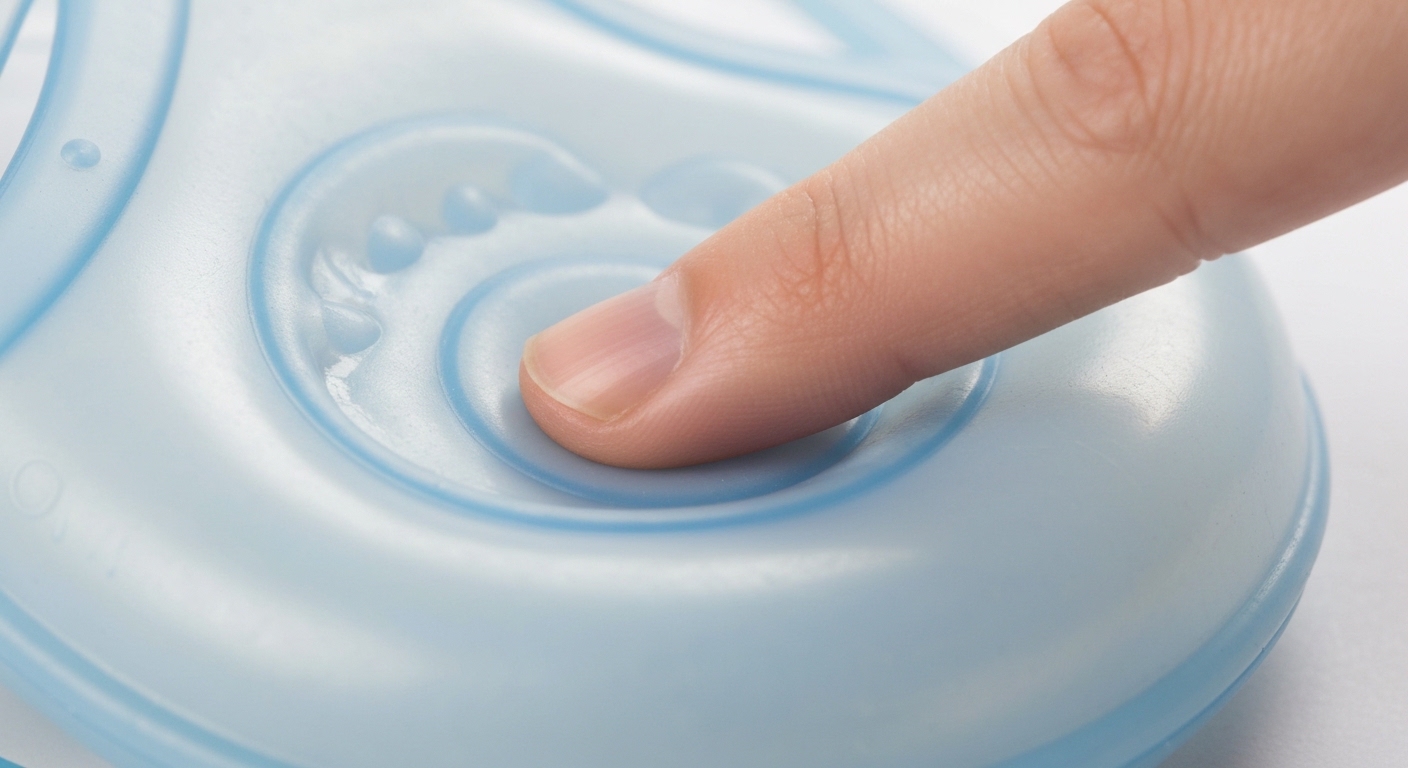
Section titled “The Mask That Sticks to Your Face”A CPAP mask cushion that suddenly feels tacky is more than a comfort issue, it can change leak rates, skin irritation, and nightly adherence. Most “sticky silicone” complaints trace to either surface contamination (skin oil and biofilm) or true changes in the silicone surface caused by chemical or oxidative aging. The practical goal is to identify which one you are dealing with, because only contamination is reversible.
Why CPAP Cushions Use LSR Silicone
Section titled “Why CPAP Cushions Use LSR Silicone”Most modern CPAP cushions are molded from medical grade liquid silicone rubber (LSR), typically platinum cured, because it is soft, resilient, and stable during prolonged skin contact. Unlike many elastomers, silicone does not rely on plasticizers to feel flexible, which reduces the risk of additive migration into skin oils. Even so, LSR is not chemically inert at its surface, and the cushion environment is unusually aggressive due to heat, moisture, mechanical rubbing, and repeated cleaning.
Two Root Causes of Tackiness
Section titled “Two Root Causes of Tackiness”Tackiness usually comes from either a removable surface layer or irreversible surface chemistry changes. Sebum, sweat salts, skincare products, and shed keratin can accumulate into a thin film that feels sticky even when the silicone itself is intact. By contrast, oxidation, chain scission, or surface roughening can permanently change how the silicone feels and seals.
- Contamination layer (most common early on): Oils and skin debris build up, then partially oxidize and form a tenacious film.
- Material aging (more common later, or with harsh sanitizing): UV, ozone, solvents, and repeated thermal stress alter the silicone surface and elasticity.
A simple diagnostic is whether careful washing restores the original “dry-smooth” feel after full drying. If it does, the cushion is usually salvageable with better routine cleaning.
Oil, Dead Skin, and the Sticky Film Mechanism
Section titled “Oil, Dead Skin, and the Sticky Film Mechanism”Facial sebum transfers readily to silicone because silicone has low surface energy and strong affinity for hydrophobic compounds. Over multiple nights, that oil layer traps dead skin cells and environmental dust, creating a mixed organic film that increases friction and tack. If you use moisturizers, sunscreen, or occlusive night creams, the film can form faster and can be harder to rinse away.
The Cleaning Routine That Actually Works
Section titled “The Cleaning Routine That Actually Works”Warm water and a mild, fragrance free soap remove fresh oils before they crosslink into a stubborn residue. Hot water is not helpful, and it can accelerate aging, soften geometry temporarily, and encourage warping in thin cushion features. Mechanical abrasion is also counterproductive because micro-scratching increases friction and can make a cushion feel tackier over time.
Method: Wash with fingertips in warm water with mild dish soap, rinse until water sheets cleanly, then air dry fully out of direct sunlight. A cushion that is even slightly damp can feel “grabby,” so evaluate tackiness only after complete drying.
Why Vinegar Is a Risky Habit
Section titled “Why Vinegar Is a Risky Habit”White vinegar is dilute acetic acid, and repeated acid exposure can gradually change silicone surface chemistry and increase roughness or tack, especially at the thin interface layer that controls feel. The risk is cumulative, so the cushion may seem fine for weeks and then suddenly feel worse. Vinegar odor can also sorb into silicone and remain noticeable during therapy.
If you want periodic disinfection beyond soap and water, follow the mask manufacturer’s compatibility guidance first. When a disinfectant is permitted, hydrogen peroxide based approaches are generally less likely than acids to drive surface changes, but concentration, contact time, and full rinsing still matter.
Why Alcohol Damages Cushions and Seals
Section titled “Why Alcohol Damages Cushions and Seals”Isopropyl alcohol can disrupt the silicone surface by extracting low molecular weight species and changing how the surface interacts with oils and water, a form of polymer degradation that causes sticky rubberized surfaces. Over time this can increase stiffness, reduce rebound, and promote sealing problems from permanent set. Alcohol can also create a dull, altered texture that feels less “silky” and more draggy on skin.
If a product is not explicitly approved by the mask manufacturer for the cushion, treat it as incompatible. Manufacturer warnings against alcohol are based on material testing and failure patterns they see in the field, and when in doubt it’s best to follow safe cleaning methods for silicone covers and accessories rather than improvising with harsher chemicals.
Mask Liners as a Barrier Strategy
Section titled “Mask Liners as a Barrier Strategy”A fabric liner reduces direct oil transfer to silicone and can slow the rate of film formation. Liners can also reduce friction hot spots and improve perceived comfort for some users, although they may change fit and leak behavior. If you use a liner, it becomes the sacrificial layer, so it must be washed frequently and replaced when it no longer rinses clean.
Silicone Sprays and “Conditioners”
Section titled “Silicone Sprays and “Conditioners””Adding silicone oil or sprays can make a cushion feel smoother for a short period, but it often creates a self reinforcing cycle. Oil films attract and bind more sebum and debris, then oxidize into a more persistent sticky layer. They can also reduce the controlled grip that helps a cushion seal against skin, which may increase leaks even if the mask feels slick at first.
If you experiment at all, only use products specifically marketed for CPAP interfaces and confirm that the mask manufacturer permits them, ideally after understanding why silicone surfaces become oily and tacky. If the cushion becomes harder to clean or leaks worsen, stop immediately.
UV Sanitizers: Real Disinfection, Real Aging
Section titled “UV Sanitizers: Real Disinfection, Real Aging”UV devices can reduce microbial load, but UV also drives photo-oxidation and surface modification in silicone. The most common user-visible outcomes are increased tackiness, stiffness, or a slightly chalky texture over time. Damage is dose dependent, so frequent cycles and long exposures are more problematic than occasional conservative use.
If you use UV, follow exposure limits precisely and avoid unnecessary repeat cycles. Any shift in feel, fit, or seal performance after introducing UV is a strong signal to stop and revert to soap and water.
Ozone Cleaners: Oxidation by Design
Section titled “Ozone Cleaners: Oxidation by Design”Ozone is an aggressive oxidizer, and it can attack polymer surfaces, including silicone, even when the bulk material looks intact. That oxidative stress can accelerate tackiness and shorten cushion life, which is the opposite of what most users want. There is also a user safety dimension because residual ozone or byproducts can irritate the airway if the system is not fully ventilated before use.
Several manufacturers discourage ozone cleaning, and regulatory agencies have published safety communications about ozone CPAP cleaners. If you notice a persistent sharp odor after treatment, treat that as incomplete off-gassing and do not use the mask until fully ventilated.
Replacement Timing and What “Normal Wear” Looks Like
Section titled “Replacement Timing and What “Normal Wear” Looks Like”CPAP cushions are consumables, and replacement intervals are based on typical changes in elasticity, seal stability, and hygiene over time. Many manufacturers recommend replacement roughly every one to three months, depending on the mask model and conditions of use. If tackiness persists after correct washing and full drying, replacement is usually the highest confidence fix.
Replace earlier if you see persistent discoloration, loss of elasticity, cracking, tearing, or a seal that fails despite fit adjustments. A cushion that feels tacky and also leaks more is often past its effective service life.
Storage Conditions That Reduce Degradation
Section titled “Storage Conditions That Reduce Degradation”Store the mask dry, away from direct sunlight, and away from high humidity zones like bathrooms. Silicone itself is relatively hydrolysis resistant, but trapped moisture supports microbial growth and increases the amount of cleaning needed later. Always allow the cushion to dry completely before putting it into a sealed container.
Moderate indoor humidity (about 40 to 60 percent) is reasonable for both comfort and material longevity. Extreme heat, strong sunlight, and enclosed damp storage are the avoidable accelerants.
Replace vs Restore: A Practical Decision
Section titled “Replace vs Restore: A Practical Decision”If cleaning restores a smooth feel and the mask seals normally, you are dealing with contamination and can extend cushion life with stricter routine washing. If tackiness persists, or if you have used alcohol, vinegar soaks, ozone, or frequent UV cycles, assume surface aging and plan replacement. When tackiness appears unusually early relative to the expected replacement interval, document your care routine and contact the supplier or manufacturer because premature material change can be a defect or a compatibility issue.
References
Section titled “References”- ResMed Corporation. CPAP equipment care and maintenance documentation.
- Philips Respironics. Technical documentation on silicone cushion care and material properties.
- American Academy of Sleep Medicine. Clinical guidance on CPAP adherence and equipment maintenance.
- U.S. Food and Drug Administration (FDA). Safety communications on ozone gas or UV light based CPAP cleaning devices.
- Journal of Clinical Sleep Medicine. Publications on mask hygiene, comfort, and CPAP compliance.
- Dow Corning (now part of Dow). Medical grade silicone elastomer material property guidance and aging behavior.